

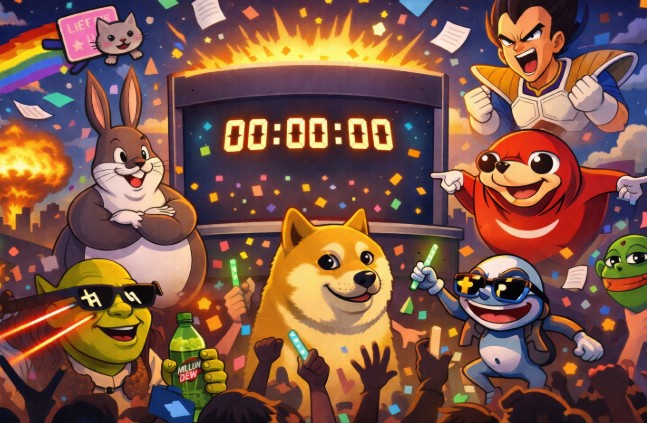
As we move further into the digital age, memes have evolved in ways we never imagined. From the early days of viral internet humor to today’s AI-generated content, meme culture is constantly shifting. But in early 2025, something new sparked online: a movement that calls for a return to classic memes—and it’s gaining traction fast. Enter the Great Meme Reset 2026.
This viral movement, largely originating from TikTok, is a collective push to bring back the iconic memes of the 2010s that defined a generation. Memes like Big Chungus, Doge, and Uganda Knuckles are all being resurrected to push back against what many call “modern brain rot” and AI-generated content. But can the Great Meme Reset succeed, or is it just another fleeting internet trend? Let’s explore.
What Is the Great Meme Reset 2026?
In simple terms, the Great Meme Reset 2026 is a social media movement that aims to reject modern meme trends and return to the classics. Think memes from 2010-2016—memes like:
- Big Chungus
- Uganda Knuckles
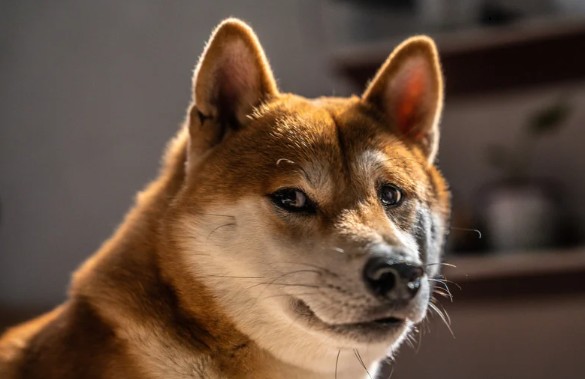
- Doge
- Nyan Cat
- “It’s Over 9000!” memes
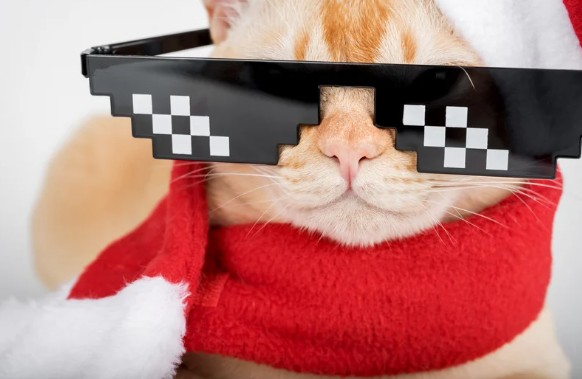
- MLG Shrek memes
These memes are seen as more authentic, fun, and rooted in internet culture. The movement, which started in late 2025, is a response to the overwhelming number of shallow, AI-driven memes that flood the internet today. By January 2026, the movement will officially kick off, with fans and meme creators ready to relive the golden days of internet humor.
Why Are People Embracing the Great Meme Reset?
At its core, the Great Meme Reset 2026 is about nostalgia. Many internet users feel that the memes of the past were more genuine and relatable. Modern memes, often created by AI algorithms, have become more repetitive and lack the punch they once had. This reset offers a way for the community to reclaim the humor they feel is being lost in today’s fast-paced, digital world.
A Backlash Against “Brain Rot”
A major part of the Great Meme Reset movement is a backlash against what people are calling “brain rot.” This term refers to the mindless scrolling and consumption of content that lacks substance. Popular modern memes, like the skibidi trend or the cryptic 6 7 meme, have been criticized for lacking the creativity and wit that defined earlier internet humor. In comparison, memes like Doge and Uganda Knuckles were simple, but their humor was genuine, relatable, and universally understood.
How Does the Great Meme Reset Impact Internet Culture?
The Great Meme Reset is more than just a trend—it’s a cultural shift. As the movement gains momentum, many are asking whether this reset will actually last. Will internet culture return to its roots, or will this just be another flash in the pan?
The Resurgence of Nostalgia
One of the main reasons the Great Meme Reset 2026 is so captivating is the nostalgia it evokes. Memes from the early 2010s played a huge role in shaping the internet as we know it today. From the simplicity of Doge to the absurdity of Big Chungus, these memes brought people together in ways that modern memes just can’t replicate. As users look back at these memes with fondness, they begin to wonder if a return to the classics can help restore the sense of community and shared humor that the internet was originally built on.
Skepticism and Critics
Of course, not everyone is on board with the Great Meme Reset 2026. Some critics argue that meme culture is inherently reactive—constantly evolving and moving forward. Forcing it backward may only result in short-lived nostalgia. Others point out that meme culture thrives on new trends and innovations, and reverting to old memes could be stifling creativity.
Can the Great Meme Reset Succeed?
The question remains: will the Great Meme Reset 2026 truly succeed in shifting meme culture back to its roots, or will it simply fade into the digital ether like so many internet trends before it?
The Momentum Is Real
One thing is for sure—the momentum is real. Thousands of users are already posting countdowns, creating memes that feature Big Chungus and Doge, and voicing their support for a return to the classics. The sheer enthusiasm of the movement shows that there’s a real desire for this reset. However, history suggests that meme culture is always looking for the next big thing. Once the initial hype of the reset dies down, will people continue to embrace these old-school memes, or will they quickly move on to something new?
A Temporary Trend or Long-Term Change?
The reality is that meme culture is always evolving. Whether the Great Meme Reset will have lasting power is uncertain, but there’s no doubt that it’s creating a conversation. Even if the movement is short-lived, it’s sparking a necessary debate about the role of nostalgia in today’s internet culture.
The Future of the Great Meme Reset 2026
While we can’t predict exactly what will happen, one thing is clear: meme culture is at a crossroads. The Great Meme Reset 2026 may not be the end-all, be-all answer to the “brain rot” problem, but it’s forcing us to question the future of humor on the internet. Whether or not this reset lasts, it’s clear that the internet has an insatiable appetite for change. And with the constant evolution of technology and meme creation, there’s no telling what the next viral movement will be.
FAQs
1. What memes are included in the Great Meme Reset 2026?
The Great Meme Reset 2026 focuses on bringing back iconic memes from the early 2010s, including:
- Big Chungus
- Doge
- Uganda Knuckles
- Nyan Cat
- “It’s Over 9000!”
2. Is the Great Meme Reset 2026 a permanent shift?
It’s hard to say. While the movement is gaining momentum, meme culture is always changing, and many believe that nostalgia-driven trends are fleeting. It’s possible that the reset could become just another phase in the ever-evolving world of memes.
3. How does the Great Meme Reset 2026 combat AI-generated content?
The Great Meme Reset aims to bring back the humor and creativity that early internet memes embodied, rejecting the shallow and repetitive nature of AI-generated content that many users feel lacks substance.
Conclusion
The Great Meme Reset 2026 has sparked an important conversation about the direction of meme culture. Whether it succeeds in bringing back the classics or fades into obscurity, it’s clear that people are hungry for something more meaningful in their digital humor. As we look ahead to the future of the internet, one thing is for sure: memes, like all cultural movements, will continue to evolve.