



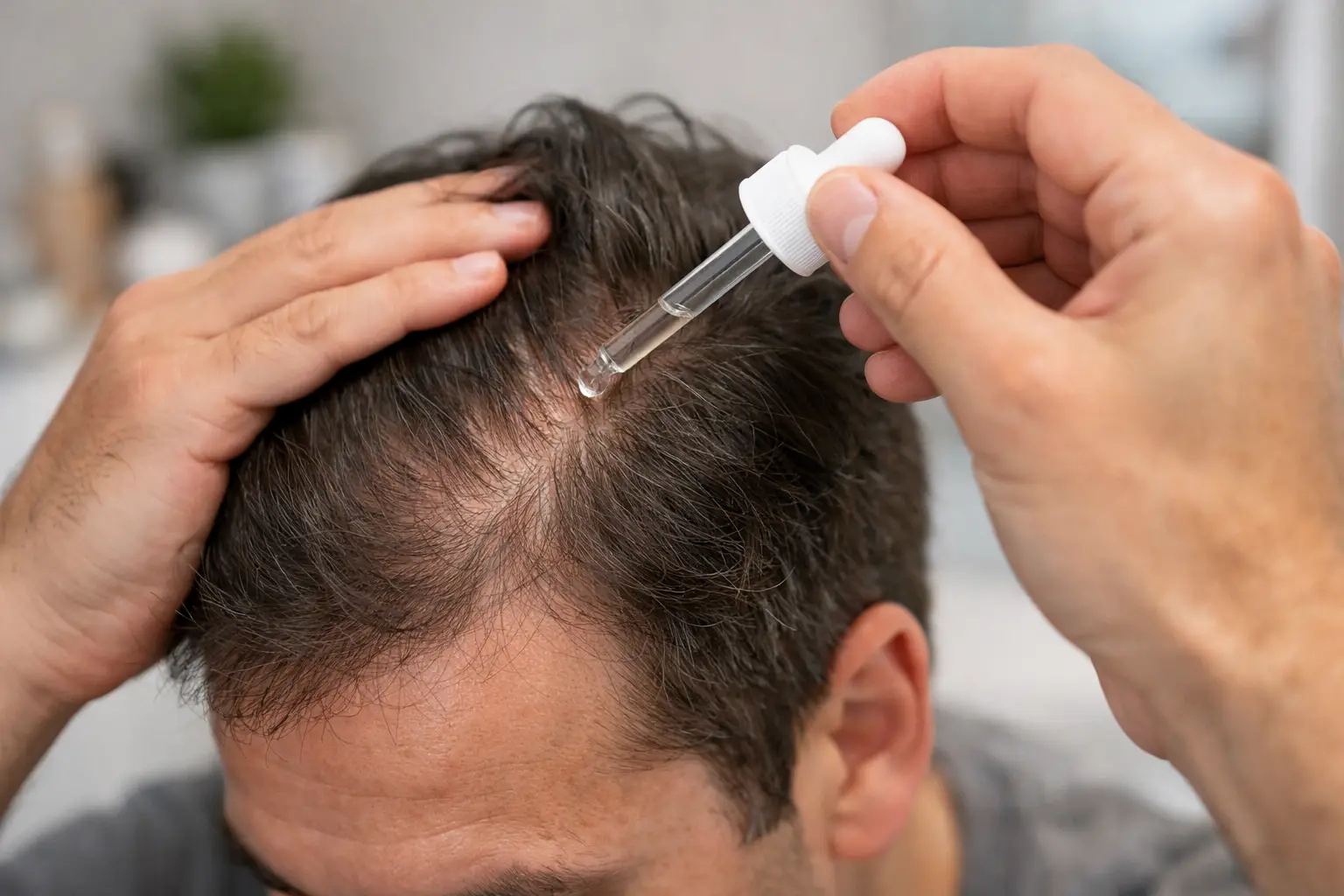
Have you ever found yourself staring at your hairbrush, wondering where all those precious strands are going? Well, I’ve been there too. I’ve tried nearly every treatment out there, from over-the-counter solutions to salon-grade products, but the constant worry about thinning hair was always in the back of my mind.
Then, I came across the latest hair health studies—and let’s just say, there’s hope on the horizon. The scientific community is making significant strides in understanding hair regrowth mechanisms, and today, I’ll share the most exciting breakthroughs that could change the way we approach hair loss.
Trust me, you’ll want to keep reading.
How are Latest Hair Health Studies Reversing Hair Loss?
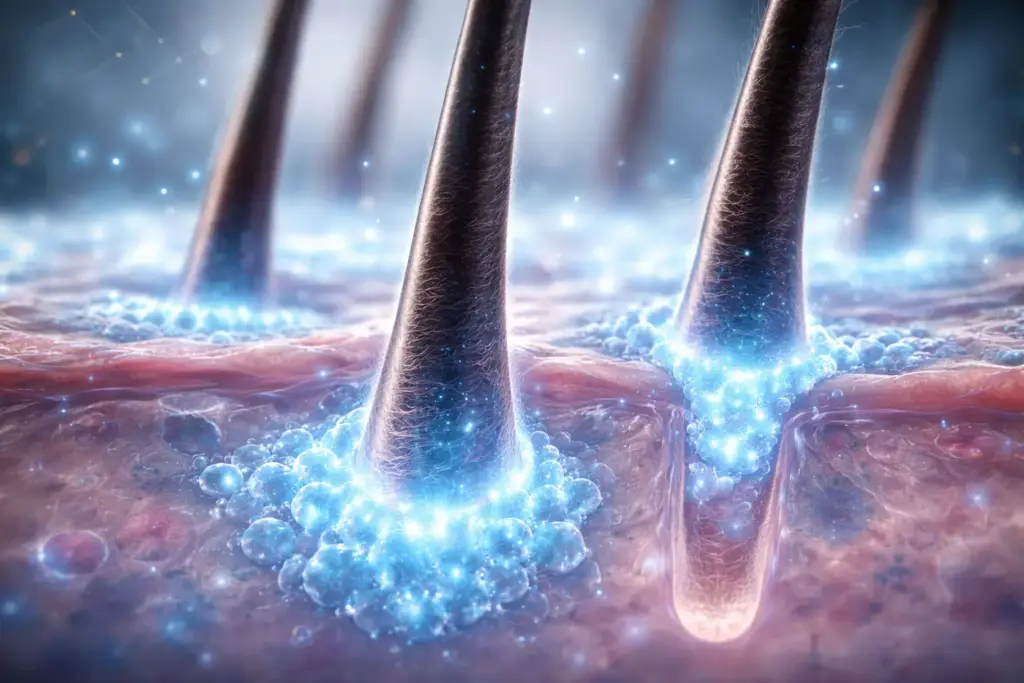
For years, the focus of hair loss treatments was simply about slowing the process. But recent developments suggest that this could soon change. Researchers are now diving deep into stem cells, metabolic pathways, and immune-targeted therapies to reactivate hair follicles rather than just preventing their loss.
What’s So Special About PP405 and AMP-303?
When I first heard about PP405, developed by UCLA, I couldn’t believe the results. This metabolic reactivation of stem cells could be a game-changer. PP405 is a topical molecule that targets a protein known as the mitochondrial pyruvate carrier (MPC).
By inhibiting MPC, this treatment tricks hair follicle stem cells into waking up from their dormancy and entering the active growth phase. The results from 2025 trials were mind-blowing—patients saw significant regrowth within just one week!
AMP-303, another ground-breaking discovery from UC Irvine, works similarly. This injectable treatment signals dormant follicles to “wake up,” and a study from late 2024 showed a 15% increase in thick, non-vellus hair lasting up to 150 days after just one treatment cycle.
Can you imagine getting thicker hair after one round of treatment? That’s a huge breakthrough!
Topical Dutasteride: Better Than Finasteride?
Now, let’s talk about topical dutasteride—which might be a better alternative to finasteride. If you’ve ever tried finasteride, you know it works for some but not all.
The new Phase II studies on topical dutasteride show promising results, suggesting it might outperform oral finasteride in increasing hair count and thickness while minimizing systemic side effects. Could this be the end of those awkward side effects? I certainly hope so.
How Does Stem Cell Research Fit into Hair Regrowth?
You’ve probably heard of stem cell therapy for various medical conditions, but did you know it’s also playing a huge role in hair restoration?
A New Stem Cell Discovery: What Does It Mean for Baldness?
Researchers at the University of Virginia (February 2025) uncovered a new stem cell population in hair follicles. This discovery challenges the old belief that hair growth begins only at the “bulge” of the follicle.
The newfound stem cells in the upper and middle sections of the follicle could become a revolutionary target for reversing baldness. Imagine a world where we can regenerate hair follicles on demand!
Exosome Therapy: A More Durable Solution?
If you’re tired of dealing with temporary fixes, this one might catch your interest. Exosome therapy, as discussed in comprehensive 2025 reviews, could provide more lasting results than the popular Platelet-Rich Plasma (PRP).
Exosomes, tiny molecules derived from stem cells, are packed with regenerative molecules that can be directly applied to the scalp to promote long-term follicle health and hair regrowth. Early studies are looking promising, and I’m excited to see how this develops.
Autoimmune Hair Loss: What’s New in Alopecia Areata Treatment?
Autoimmune hair loss conditions like alopecia areata can be devastating, and treatments have historically been inconsistent. However, the latest hair health studies are shedding light on new therapies that target the immune system more effectively.
FDA Approvals for Alopecia Areata: A Game Changer
In 2025, Litfulo (ritlecitinib) and Leqselvi (deuruxolitinib) received FDA approvals for treating severe alopecia areata. These JAK inhibitors are designed to block inflammatory proteins that cause the immune system to attack hair follicles.
So, if you’ve been struggling with autoimmune hair loss, these new therapies could offer a more reliable solution.
Microneedle Patches: A Localized Treatment for Alopecia Areata
Researchers at MIT and Harvard have been experimenting with microneedle patches for localized treatment of autoimmune hair loss. These patches deliver immunomodulators directly to the scalp, reducing the systemic side effects of oral medications.
This could be a game-changer for anyone dealing with the side effects of traditional treatments.
How Do Lifestyle Factors Affect Hair Health?
While medications and therapies can certainly help, there’s no denying the impact of lifestyle choices on hair health. From weight-loss drugs to managing stress, here’s what you need to know.
Weight-Loss Drugs and Their Impact on Hair Health
In 2025, studies have shown that rapid weight loss from GLP-1s, like semaglutide (Ozempic), can trigger telogen effluvium—a condition where hair sheds due to hormonal shifts. But don’t panic.
Some subjects also reported hair regrowth after the initial shedding phase, likely due to the body’s hormonal adjustments. So, if you’re using weight-loss drugs, keep an eye on your hair and give it time to adjust.
Scalp Health and the Microbiome: Are You Paying Attention?
I recently came across a fascinating study on microbiome health and its relationship to scalp health. Researchers in March 2025 showed that the health of the scalp’s microbiome is just as important for hair longevity as the follicles themselves.
By maintaining a healthy scalp, you can encourage stronger, longer hair.
How Can You Support Your Hair Health?

Now that you know about the latest hair health studies, let’s talk about how you can start improving your hair health today. Here’s a simple, actionable guide:
How to Maintain Healthy Hair: A Step-by-Step Guide
- Step 1: Revamp Your Hair Care Routine
Switch to sulfate-free, nourishing shampoos and conditioners that support scalp health. Look for natural ingredients like biotin, keratin, and essential oils. - Step 2: Try New Treatments
Consider incorporating topical dutasteride or exosome therapy into your routine. Consult with your dermatologist about PP405 or AMP-303 if they are available. - Step 3: Manage Stress and Sleep
Stress and lack of sleep are major contributors to hair loss. Try yoga, meditation, or relaxation techniques to reduce stress levels. Aim for at least 7–8 hours of quality sleep every night. - Step 4: Nourish Your Hair from Within
Make sure you’re eating a balanced diet rich in vitamins like biotin, vitamin D, and zinc. Consider adding supplements to support hair health.
Frequently Asked Questions
1. What are the typical timelines for clinical trials of hair loss drugs like PP405 and AMP-303?
Clinical trials for hair loss drugs typically take several years to complete. However, early-stage trials like those for PP405 and AMP-303 have shown rapid results, with initial trials reporting noticeable hair regrowth within 1–2 weeks. Full FDA approval and long-term efficacy trials can take around 3–5 years.
2. How does PP405 reactivate dormant stem cells?
PP405 works by inhibiting the mitochondrial pyruvate carrier (MPC), which forces hair follicle stem cells into a metabolic state that produces lactate. This lactate production activates dormant follicles, prompting them to enter the growth phase.
It’s like giving your hair follicles the “wake-up” call they’ve been waiting for!
3. Are there emerging concerns regarding finasteride’s long-term safety for hair loss?
While finasteride is widely used to treat male pattern baldness, some long-term safety concerns include sexual side effects like decreased libido and erectile dysfunction. These side effects are rare but can persist after discontinuing the drug.
Topical versions of finasteride and dutasteride may offer a safer alternative with fewer systemic side effects.
The Future of Hair Health is Looking Bright with the Latest Hair Health Studies
When I look at all these advancements in the latest hair health studies, I can’t help but feel hopeful. From metabolic reactivation of stem cells to immune-targeted therapies, we’re moving towards more effective, personalized solutions than ever before.
If you’re dealing with hair loss or thinning, the future holds plenty of exciting options to explore. Whether you opt for PP405, AMP-303, or simply take better care of your scalp, there’s never been a better time to take charge of your hair health.
Just remember, consistency is key, and trust the process! The latest breakthroughs in hair regrowth are giving us more ways to restore what we’ve lost and maintain a healthy, vibrant mane.