




In Fall 2025, U.S. colleges experienced a sharp 17% drop in new international student enrollment, marking the steepest decline in over a decade. This trend is driven by visa delays, stricter travel policies, and shifts in U.S. immigration under the Trump administration. The impact of this decline is far-reaching, potentially costing U.S. colleges an estimated $1.1 billion in lost revenue. This article breaks down the causes of the enrollment dip, its effects on U.S. institutions, and what colleges are doing to adapt to these changes.
What’s Behind the Drop in Enrollment?

The 17% decrease in new international students is a result of several key factors. Visa processing delays and stricter application screenings have made it harder for students to secure their place at U.S. universities. Travel restrictions, especially after the pandemic, have further hindered international mobility.
Visa Issues and Stricter Policies
Visa delays and heightened scrutiny have caused many students to postpone or seek alternatives outside the U.S. According to the Institute of International Education (IIE), 96% of U.S. schools report significant concerns about visa processing delays.
Travel Bans and Political Climate
The Trump administration’s travel bans and national rhetoric created an atmosphere of uncertainty, making many international students feel unwelcome in the U.S. This has contributed to a noticeable decline in applicants from countries like Africa, where enrollment dropped by as much as 33%.
Economic Impact on U.S. Colleges
This drop in international enrollment is not just a recruitment issue; it’s an economic one. U.S. colleges have lost out on $1.1 billion in tuition fees and local spending. International students contribute significantly to the economy through housing, food, and other purchases. If the trend continues, it could lead to a reduction of around 23,000 jobs in sectors that depend on student spending.
Impact on Regional Institutions
Smaller private and regional public universities have been hit hardest by the enrollment decline. These schools rely on international students to sustain their budgets, and the reduced number of students is forcing many institutions to make tough financial decisions, including budget cuts and hiring freezes.
Institutional Responses and Deferral Policies

To mitigate the damage, many U.S. colleges are offering more flexible deferral options. Currently, 72% of schools are offering deferrals for Spring 2026, while 56% are offering them for Fall 2026. These options allow international students to delay their enrollment, though it doesn’t guarantee that enrollment numbers will return to pre-2025 levels.
The Graduate vs. Undergraduate Enrollment Divide
Graduate students have been particularly affected by the enrollment drop, with a decline of 12-19%. This is especially noticeable among African nations, such as Ghana and Nigeria, which have seen enrollment cuts of up to 50%. In contrast, undergraduate enrollment has shown more resilience, with some institutions even seeing slight increases in total enrollment.
Regional Disparities
The decline has hit African countries especially hard. Students from Ghana and Nigeria have seen steep declines, affecting schools that once relied heavily on applicants from these regions. These trends reflect the combined impact of visa restrictions, political climate, and economic instability.
What’s Next for U.S. Colleges?
Looking to 2026, U.S. colleges face continued challenges in international student recruitment. Many universities will need to implement more proactive recruitment strategies to remain competitive globally. Offering online programs, forming international partnerships, and improving campus policies may help attract international students.
New Recruitment Strategies
Colleges are increasingly investing in alternative recruitment strategies. This includes partnerships with foreign institutions, expanding online education offerings, and conducting outreach to make the U.S. more appealing to students worldwide. This proactive approach will be necessary to turn the tide on declining enrollments.
Navigating the Current Landscape
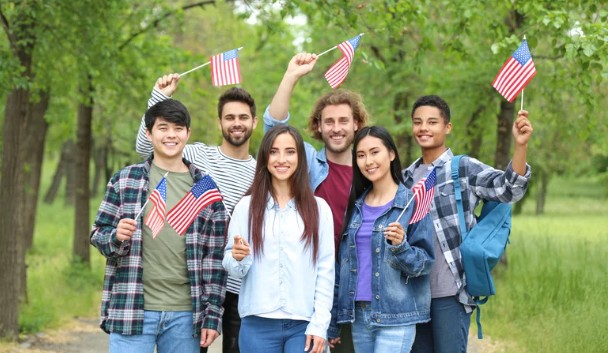
For international students looking to study in the U.S., it’s essential to act quickly. Start the application process early to account for potential visa delays. Look for schools with flexible deferral policies to provide peace of mind if delays occur. If the U.S. remains a challenging environment, consider studying in other countries like Canada, the UK, or Australia, which may offer a more streamlined process.
FAQs on International Enrollment in U.S. Colleges
1. Is international student enrollment down in the U.S.?
Yes, U.S. colleges have seen a 17% drop in new international student enrollment for Fall 2025, marking a significant decline compared to previous years.
2. Are U.S. universities experiencing a 17% drop in new foreign students?
Yes, new international student enrollment dropped by 17% in Fall 2025, primarily due to visa delays, travel restrictions, and changing immigration policies.
3. Why is Gen Z not going to college?
Gen Z’s college attendance has been impacted by rising tuition costs, concerns over student debt, and the appeal of alternative pathways like trade schools or online education.
5. Is college enrollment declining in the U.S.?
Yes, college enrollment has been declining in recent years, with international student enrollment seeing a particularly sharp drop in 2025.
Conclusion
The international enrollment decline presents a critical challenge for U.S. colleges, especially those that rely heavily on international tuition. While there are significant obstacles ahead, institutions that are adaptable and proactive in their recruitment efforts may still find success in attracting global talent. The future of U.S. higher education will depend on how well colleges navigate these challenges and adapt to the changing global landscape. By understanding these trends, both students and institutions can make informed decisions about how to move forward in an increasingly competitive environment.