




When it comes to maintaining healthy, glowing skin, the right facial cleansing techniques make all the difference. Proper cleansing removes dirt, makeup, and excess oil, ensuring your skin stays fresh and free of impurities. Whether you’re dealing with makeup residue, environmental pollutants, or simply daily oils, understanding the proper way to cleanse your face can help prevent irritation and promote clear skin. In this article, we’ll discuss the best practices for facial cleansing, share expert techniques, and outline common mistakes to avoid for a smoother, more radiant complexion.
Why is Facial Cleansing So Important?
Proper cleansing helps remove dirt, excess oil, makeup, and other impurities, allowing your skin to breathe. It also prepares your skin to absorb moisturizers, toners, and treatments more effectively. Regular cleansing can prevent clogged pores, breakouts, and irritation, making it essential for maintaining a healthy complexion. Without it, you’re not giving your skin the fresh start it needs each day.
Key Facial Cleansing Techniques
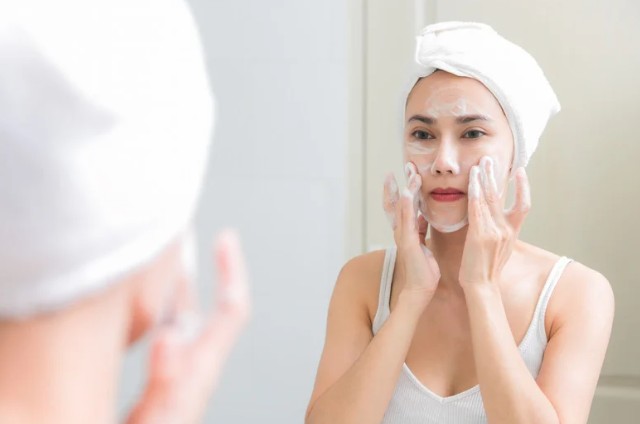
1. Start with Clean Hands
Before you touch your face, always wash your hands. This simple step helps prevent transferring dirt and bacteria to your skin.
2. Remove Makeup First
Makeup and sunscreen can be stubborn, so it’s best to start by using an oil-based cleanser or micellar water to break down these layers. This method ensures you’re not just smearing makeup around your face, but effectively dissolving it.
3. Use Lukewarm Water
Avoid hot water as it can strip your skin of its natural oils, leading to dryness. Instead, use lukewarm water, which opens pores and ensures a gentle cleanse.
4. Apply Cleanser Gently
Choose a gentle, alcohol-free cleanser suitable for your skin type. Use your fingertips to apply the product in small circular motions. This helps to stimulate circulation and encourages the cleanser to work effectively.
5. Rinse Thoroughly
Ensure you rinse your face completely with lukewarm water to remove any leftover cleanser, ensuring no residue remains on your skin.
6. Pat Dry
After rinsing, gently pat your face dry with a clean towel. Avoid rubbing, as this can irritate the skin.
Special Cleansing Techniques
Double Cleansing
Double cleansing is particularly effective for those who wear heavy makeup or sunscreen. Start with an oil-based cleanser to break down makeup and follow up with a water-based cleanser to remove impurities. This two-step process ensures a deep cleanse without irritating the skin.
The 4-2-4 Method
For a deeper cleanse, try the 4-2-4 method:
- Massage an oil cleanser for 4 minutes
- Follow with a water-based cleanser for 2 minutes
- Rinse with warm water for 2 minutes
- Finish with cool water for 2 minutes to close pores.
This method helps to deep-cleanse the skin and leave it feeling refreshed.
Exfoliation
While cleansing removes the surface dirt, exfoliation helps eliminate dead skin cells that can clog pores. However, exfoliate only once a week to avoid over-stripping your skin.
What to Avoid During Cleansing

Harsh Scrubbing
Rough scrubbing can cause micro-tears in the skin, leading to irritation, redness, and premature aging. Always be gentle when cleansing.
Hot Water
Hot water might feel comforting, but it can dry out your skin and compromise its natural barrier. Stick to lukewarm water for the best results.
Over-Cleansing
Cleansing too often or with harsh products can strip the skin of essential oils, leading to dryness and even more oil production as your skin tries to compensate.
Rubbing the Skin Dry
Rubbing your skin with a towel can irritate and inflame it. Instead, always pat dry with a clean towel to minimize damage.
Choosing the Right Cleanser
Picking the right cleanser for your skin type is essential. Here’s how to choose based on your skin’s needs:
- Oily Skin: Gel-based or foaming cleansers can help remove excess oil.
- Dry Skin: Opt for cream-based cleansers to keep skin hydrated.
- Sensitive Skin: Choose a fragrance-free, alcohol-free, and non-foaming cleanser to avoid irritation.
Benefits of Proper Cleansing

- Prevents Breakouts: Regular cleansing clears out pores, reducing the likelihood of acne.
- Keeps Skin Hydrated: Cleansing prepares the skin to absorb moisturizers and treatments more effectively.
- Promotes Even Skin Tone: By removing dead skin cells, cleansing can reveal a more radiant, even complexion.
Frequently Asked Questions
1. How often should I cleanse my face?
Ideally, cleanse your face twice a day—once in the morning and once before bed. If you wear makeup, double cleansing at night can be a great way to ensure you remove all traces of makeup and sunscreen.
2. Can I skip cleansing if I have dry skin?
No, even dry skin needs regular cleansing. Use a mild, hydrating cleanser that won’t strip your skin of its natural oils. Skipping this step can lead to clogged pores and dull skin.
3. What’s the best way to remove makeup?
For heavy makeup, start with an oil-based cleanser to break down the makeup, followed by a gentle water-based cleanser to thoroughly clean your skin. This method ensures a complete cleanse without irritating your skin.
4. Can I use the same cleanser for all skin types?
Not all cleansers are created equal. Choose one suited for your specific skin type to achieve the best results. For example, gel cleansers are better for oily skin, while cream cleansers are more hydrating for dry skin.
5. Does cleansing help with wrinkles?
Cleansing helps remove dirt and impurities, allowing your skincare products to penetrate deeper. While it’s not a direct wrinkle treatment, it’s an essential part of an anti-aging routine when combined with other skincare products like moisturizers and serums.
Conclusion
Incorporating these facial cleansing techniques into your daily routine will help you maintain healthy, glowing skin. From the basic steps of cleansing with lukewarm water to advanced methods like double cleansing, each step plays a vital role in your skin’s health. By avoiding common mistakes like harsh scrubbing and hot water, you can protect your skin and achieve a clearer, more radiant complexion.