


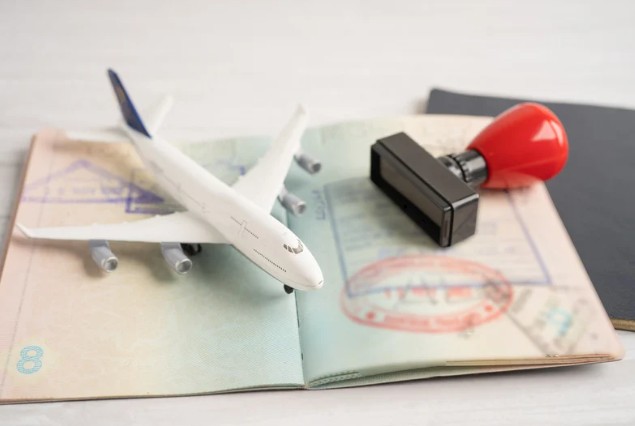
The U.S. is making significant changes to its student visa policies, set to take effect in 2026. These updates will impact international students in major ways. If you plan to study in the U.S. or are already enrolled, these changes may affect your visa duration and work authorization. With new restrictions, expanded travel bans, and stricter vetting requirements, understanding these shifts is crucial to navigating the process smoothly. Staying informed now will help you avoid unexpected hurdles and ensure your study experience in the U.S. remains on track.
Key Changes in U.S. Student Visa Policy

1. Fixed Duration for Student Visas
In 2026, the U.S. will replace the “Duration of Status” (D/S) rule with fixed admission periods. Previously, international students could stay in the U.S. as long as they maintained enrollment. Under the new rule, students will receive visas for a specific period, typically up to four years, based on their program length.
2. Travel Ban Expansion
Starting January 1, 2026, nationals from 39 countries, including Nigeria, Iran, and Syria, will face new travel restrictions. If you are from one of these countries and don’t have a valid student visa, you will not be able to enter the U.S. until further notice. This expands the existing entry bans, adding extra challenges for international students from affected countries.
3. Enhanced Vetting and Social Media Checks
The U.S. government is tightening security by increasing vetting measures. Social media screenings have become a mandatory part of the visa application process. Most applicants will need to provide access to their social media accounts. These measures aim to improve security but have sparked privacy concerns.
What This Means for You as an International Student
Impact on Visa Extensions and Work Authorization
The new policies significantly affect visa extensions. Students needing to extend their stay beyond the allowed period must apply for an extension, providing proof of compelling academic reasons or medical issues. This marks a change from the previous system, where students could stay as long as they were enrolled without additional documentation.
The rules surrounding Optional Practical Training (OPT) have also changed. While STEM graduates may still qualify for OPT extensions, stricter approval requirements now apply, and automatic extensions have been removed.
Stricter Rules for Program Changes and Transfers
Transferring between programs or changing academic fields will become more complicated. Graduate students, in particular, will face restrictions on program changes, limiting their academic flexibility. These changes will require more paperwork and approvals from the Department of Homeland Security (DHS).
What You Need to Do to Stay Compliant
1. Stay Informed
Given the rapid pace of these policy changes, staying updated is crucial. Regularly check your university’s international student office for the latest information and ensure you are aware of any updates that may affect your visa status.
2. Apply for Extensions Early
If you expect to need an extension for your academic program, submit your application at least six months in advance. Gather the necessary documentation, including progress reports, and ensure your extension request is well-documented.
3. Be Prepared for Stricter Interview and Vetting Requirements
With fewer students eligible for interview waivers, be ready to attend in-person interviews during the application process. Ensure your application is complete and accurate to prevent delays.
4. Monitor Travel Bans
If you’re from an affected country, regularly check the U.S. Department of State for updates on travel bans and restrictions. This will help you adjust your plans if new travel restrictions are implemented.
FAQs
What is the new rule for international students in the U.S.?
The new rule replaces “Duration of Status” (D/S) with fixed admission periods, typically up to four years, and requires extensions for longer programs.
Who has to pay $100,000 for an H-1B visa?
Certain employers sponsoring H-1B visa holders must pay up to $100,000 to cover fees, especially for high-skilled workers in specialized fields.
Are F1 visa slots open for fall 2026?
F1 visa slots for fall 2026 are expected to open as usual, but availability may vary based on demand and U.S. visa processing times.
How long can international students stay in the USA after graduation?
International students can stay up to 60 days after graduation to prepare for departure or apply for a change of status, depending on their visa type.
Conclusion
The U.S. student visa policy changes for 2026 aim to enhance security and reduce fraud, but they also create new challenges for international students. These updates affect everything from visa durations to work authorization, adding complexity to the process. By staying informed, applying early for visa extensions, and preparing for stricter vetting procedures, you can confidently navigate these changes. It’s essential to understand the impact these updates may have on your academic journey and take proactive steps to secure your visa status throughout your studies.